The Undesirables”
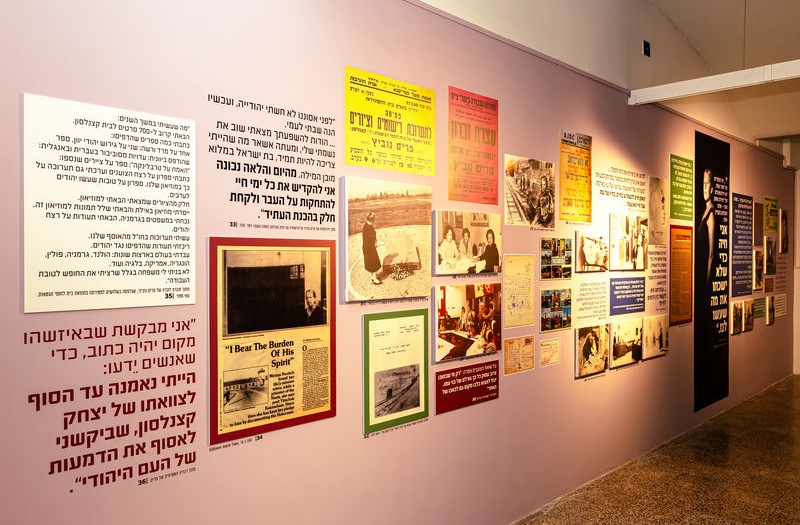
Art as Spiritual Resistance in French Internment Camps
In the 1930s, France was seen by many as a place of freedom and culture – yet it turned from a refuge into a trap. Jewish artists who fled Germany suddenly found themselves classified as “undesirable.” They were uprooted, separated, and imprisoned – but they continued to create. Within the fences, art persisted. Artists such as Karl Schwesig, Israel Kischka, Jacques Gotko, Alicia Hohermann, Isaac Feder, Savely Schleifer – and many others – gave voice to their experience through pencil, paint, and brush. They recorded daily life, their fellow inmates, the surrounding landscapes, and rare moments of grace.
Some marked their works with a signature, a date, a place, or a brief line – a quiet insistence: we were here. The art they produced was not merely an escape. It was a declaration. An act. A form of resistance.
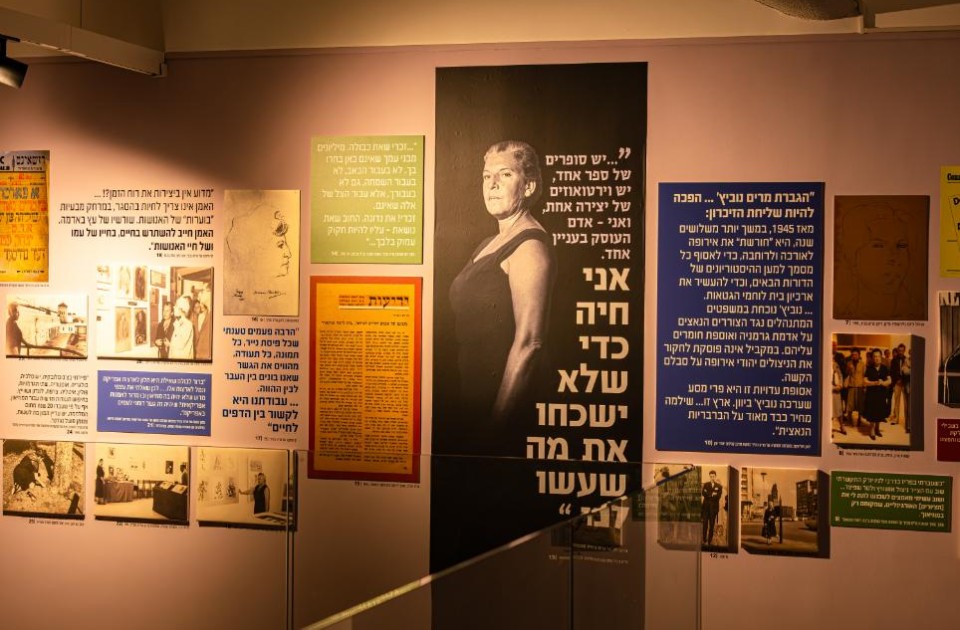
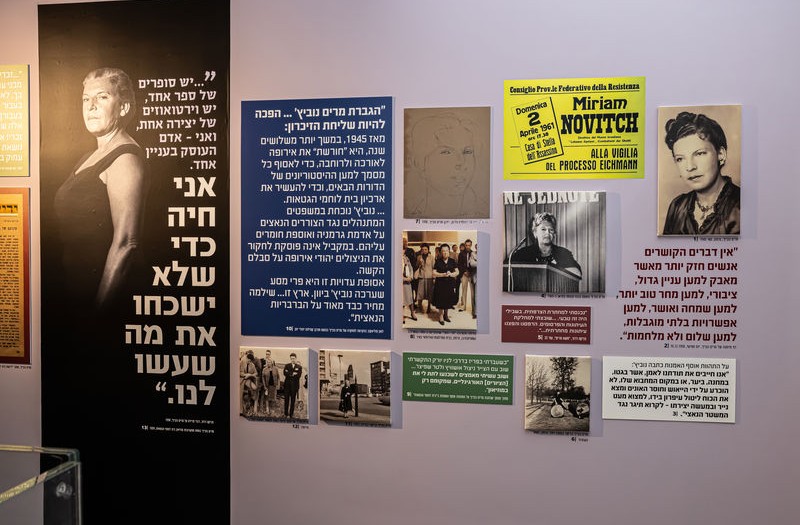
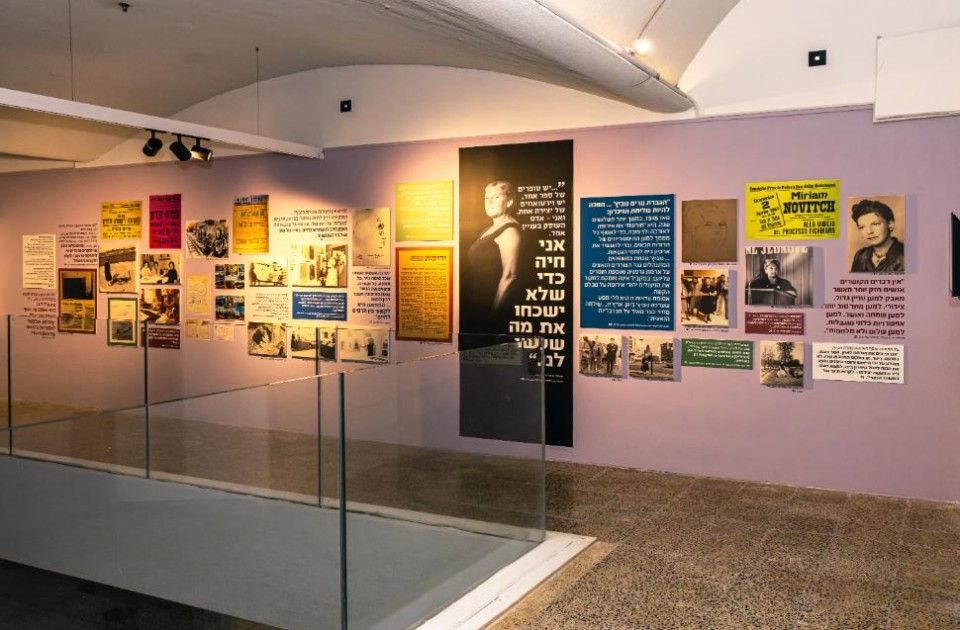
A resistance not only to the regime, but to the very notion that a human being can be stripped of their humanity. This collection was assembled by Miriam Novitch, the museum’s first curator, with extraordinary dedication. She traveled, interviewed, collected, and documented – ensuring that these voices would not be lost, and that the art would continue to speak what could not be silenced.
Curator: Lilach Efraim